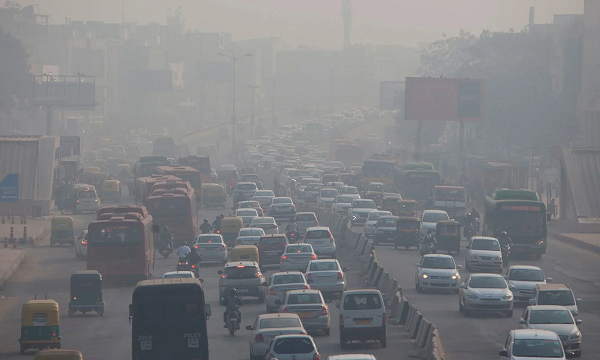
Air pollution affects everyone, but it may not affect everyone in the same way. A recent study from Delhi suggests that men could be breathing in more harmful air than women, putting them at a greater risk of pollution-related health problems. The findings shift attention to how biology and everyday habits together shape our exposure to toxic air.
Researchers from Netaji Subhash University of Technology studied data collected over five years to understand how polluted air impacts men and women differently. What they found was striking. Under similar conditions, men tend to absorb more polluted air into their lungs than women. This challenges the common assumption that women are generally more vulnerable to illness and highlights a less visible risk faced by men, especially in cities with poor air quality.
The study focused on PM2.5, a form of extremely fine particulate matter that is considered one of the most dangerous air pollutants. These particles are small enough to travel deep into the lungs and even enter the bloodstream, where they can contribute to serious health issues. To measure exposure, scientists looked at how much of this polluted air settles in the lungs every second during different activities.
The results showed that even during rest, men inhaled significantly more toxic particles than women. During physical activity like walking, the difference remained, though it narrowed slightly. Overall, men consistently took in a higher load of harmful particles, regardless of whether they were active or sedentary.
Researchers believe this gap is linked to a mix of biological differences and lifestyle patterns. Men generally have larger lung capacity, which means they can draw in more air with each breath. Many also spend longer hours outdoors due to work or daily routines, increasing their exposure to polluted environments.
Activities that involve physical effort, such as manual labour or outdoor exercise, can further deepen breathing and allow pollutants to reach more sensitive areas of the lungs.
While women may face higher exposure to indoor air pollution in some settings, the study suggests that men’s prolonged outdoor exposure and lung characteristics result in a higher overall intake of polluted air. The findings underline the need to look beyond one-size-fits-all health advice and consider how pollution affects different groups in different ways.