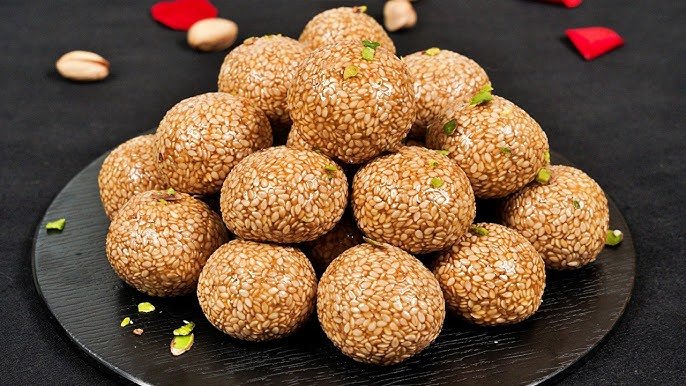
Every winter, kitchens across India fill with the aroma of sesame-based sweets. But this year, those tiny brown til laddoos are not just a seasonal treat, they’re a social media sensation.
Scroll through Instagram and you’ll likely see reels of people rolling sesame laddoos in their palms, claiming their hair fall reduced within weeks. From health influencers inspired by dermatology advice to traditional wellness pages echoing grandmother-approved remedies, many are promoting the same idea: eat sesame daily, and your hair will improve.
Sesame, or til, has always been a winter staple in Indian households. Traditionally, it’s been valued for providing warmth, boosting energy, and strengthening bones during colder months. It was never specifically marketed as a beauty food. However, social media has now linked this age-old ingredient to common hair concerns, especially chronic hair fall.
When you look at its nutritional profile, the claims don’t seem entirely baseless. Sesame seeds are rich in zinc, which plays an important role in repairing hair follicles. Low zinc levels are often associated with hair shedding. They also contain iron, and when combined with jaggery, as they often are in winter sweets, they can help support iron levels in the body. Iron deficiency is another well-known reason for hair fall.
In addition, sesame is packed with healthy fats that help nourish the scalp. Without enough good fats, hair roots can become dry and fragile. The seeds also contain calcium and magnesium, which support blood circulation and help the body manage stress, both important factors for overall hair health.
That said, sesame is not a miracle cure. It won’t magically regrow hair overnight. But if hair fall is linked to nutritional gaps, adding sesame to your diet may quietly support improvement over time.
So if you’re already enjoying til sweets this winter, you might just be nourishing more than your taste buds. Sometimes, simple traditional foods carry benefits we’re only now rediscovering.