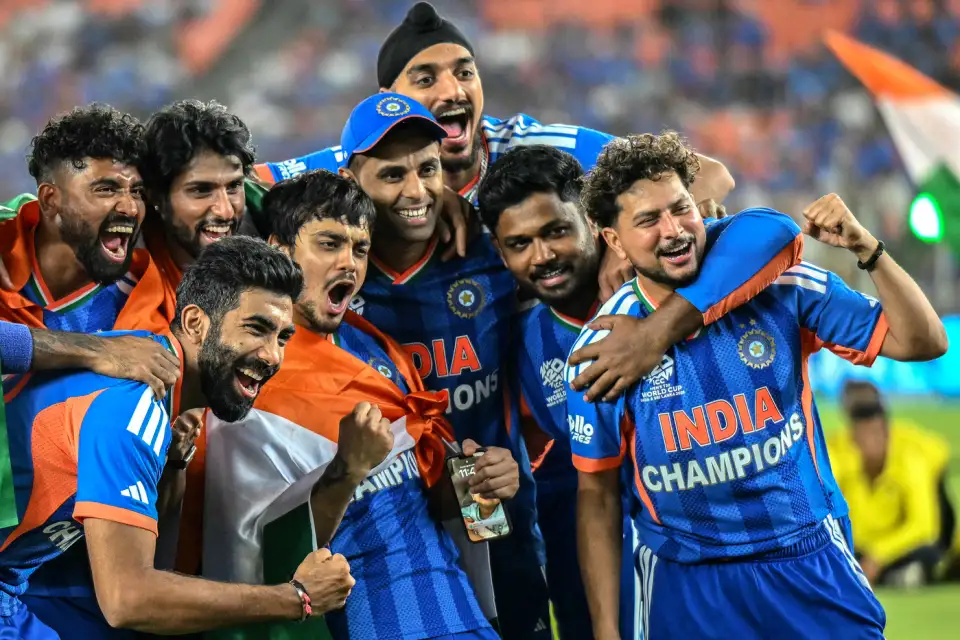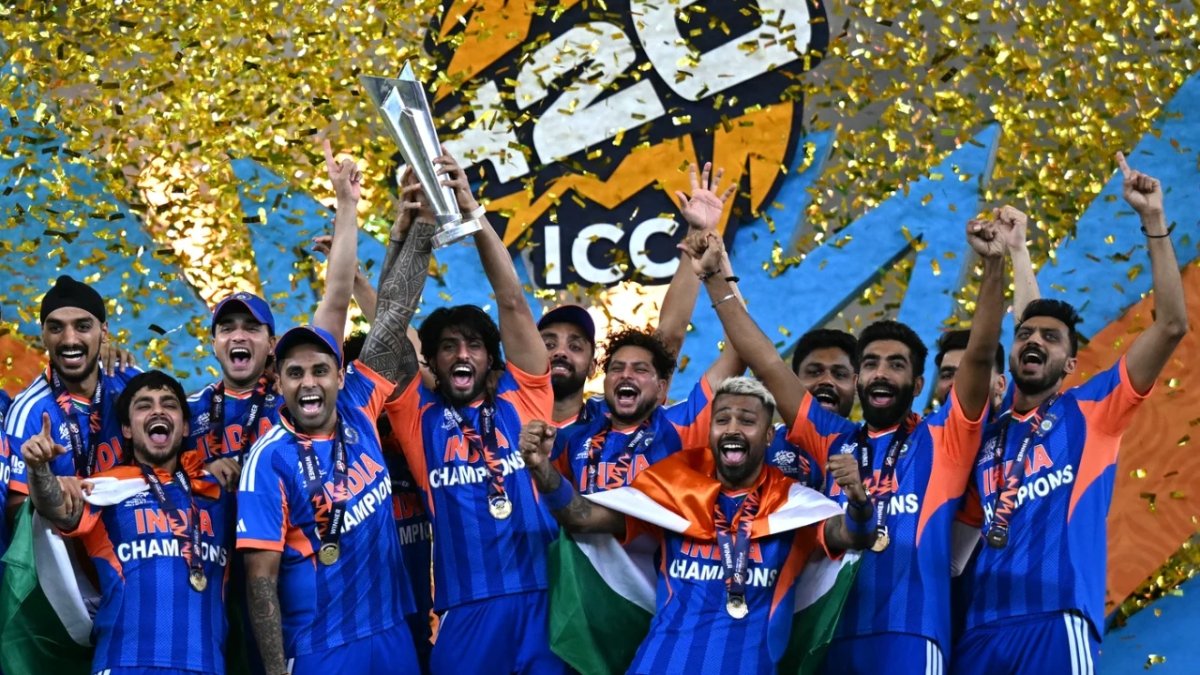
The toss felt like a bad omen. New Zealand won it and sent India in — exactly as Australia had done on November 19, 2023, in this very stadium. For a nation still carrying that scar, the déjà vu was visceral. But this India T20 World Cup winner was not the same side that froze under pressure two years ago. They hadn’t come to Ahmedabad to revisit history. They had come to bury it — and in front of 100,000 witnesses, they did exactly that.
India Make History as Ahmedabad Finally Belongs to Them
More than 100,000 spectators packed Narendra Modi Stadium on Sunday, many of them braced for heartbreak. They had seen this script before — a World Cup final, a home crowd, and a toss that went the wrong way. But within six overs, it was clear this wasn’t 2023. India were not playing with anxiety. They were playing with intent.
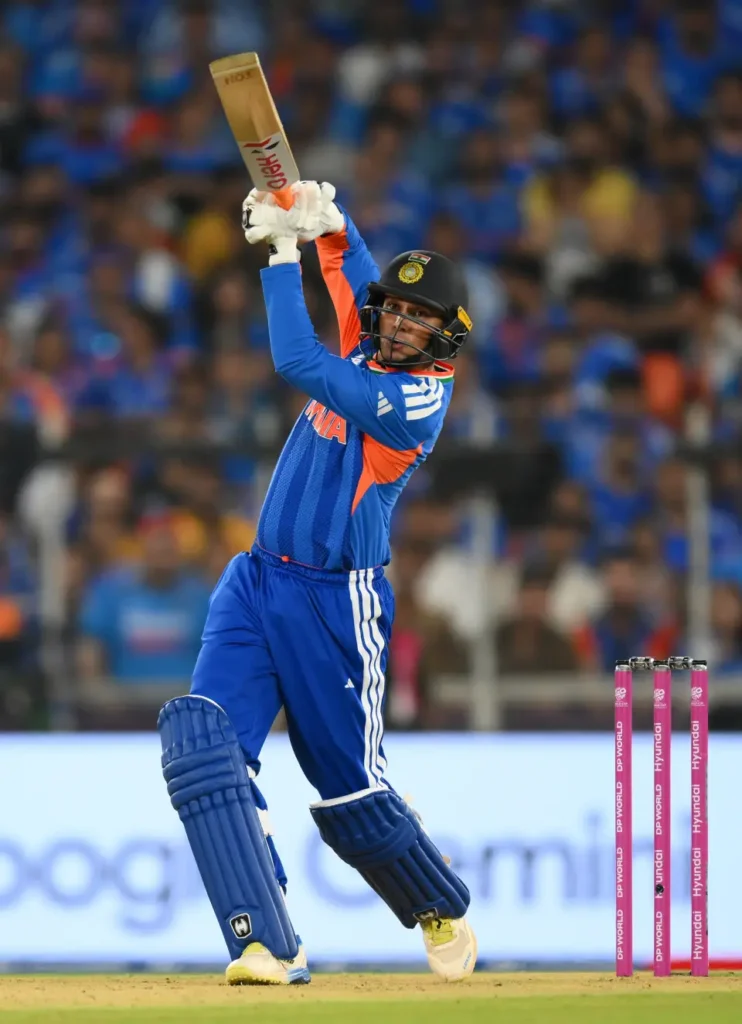
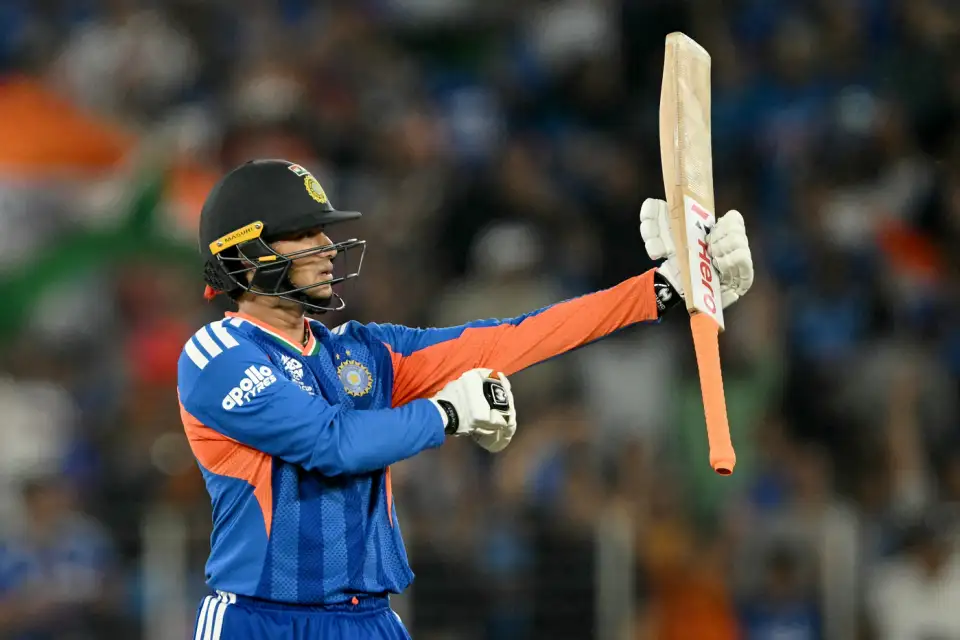
Abhishek Sharma, a player who had quietly shouldered criticism after managing just 89 runs across the tournament’s lead-up stages, walked in and waited. Just one over. Then he exploded. A 17-ball fifty — the fastest by any batter in a T20 World Cup final — set the tone for everything that followed. By the time the powerplay ended, India were 92 without loss. New Zealand’s bowlers looked shellshocked.
A Record Opening Stand That Redefined the Final
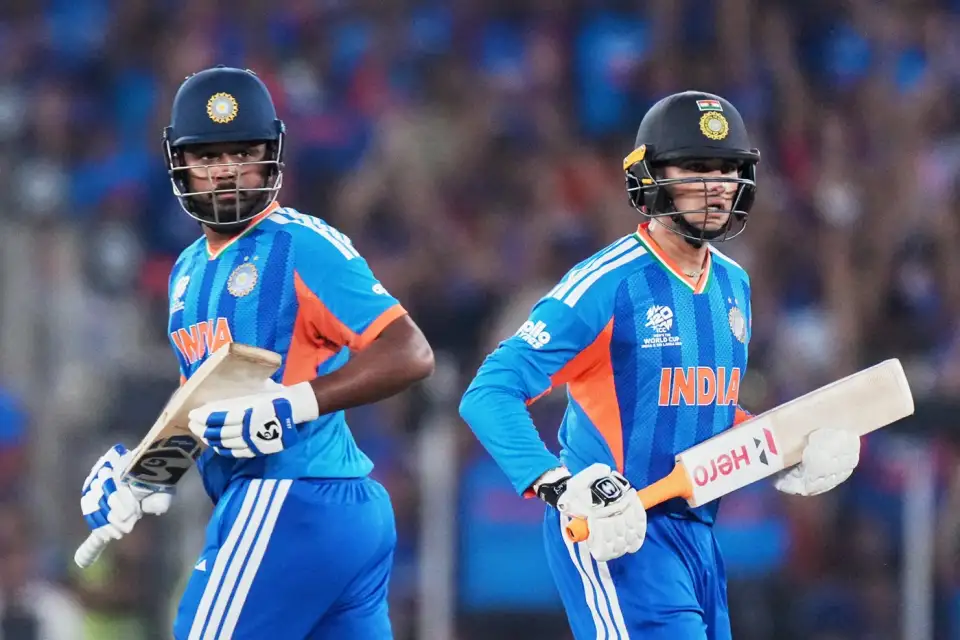
Sanju Samson was the perfect partner for Abhishek’s carnage. The Kerala wicketkeeper-batter, who had already strung together two impressive fifties earlier in the tournament, added another to his collection — and then kept going. Together, they put on 98 for the opening wicket before Rachin Ravindra finally ended the partnership, having Abhishek caught behind.
It barely slowed India down. Ishan Kishan walked in and picked up exactly where the opening stand left off, cracking 54 at a blistering rate. Samson, growing in authority by the over, launched into Ravindra for three consecutive sixes. New Zealand had no answers.
The carnage was briefly paused — and it genuinely was a pause — when Jimmy Neesham produced a stunning intervention. In one extraordinary over, he removed Samson, Kishan, and Suryakumar Yadav off successive deliveries, suddenly bringing New Zealand back into a conversation they had no business being part of.
Dube’s Final Over Statement Killed the Contest
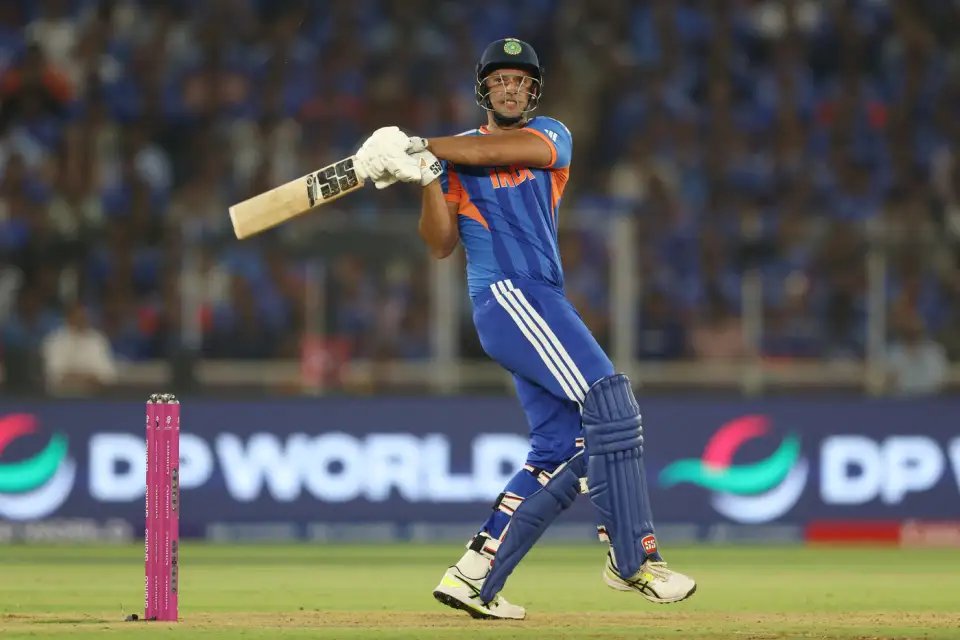
That’s when Shivam Dube walked in and made the discussion irrelevant. The big-hitting all-rounder smashed an unbeaten 26 off just eight balls — including three fours and two sixes off Neesham in the final over — to take India past 255. It was an exclamation mark on an innings that had already made its point.
255 for 5. The highest total ever posted in a T20 World Cup final. The contest, for all practical purposes, was over before New Zealand faced a ball.
Bumrah and Axar Make Chase a Formality
Chasing 256 on this surface, against this bowling attack, was always going to demand a perfect start. New Zealand didn’t get one. Finn Allen fell for 9. Glenn Phillips — their most dangerous batter on his day — was dismissed for 5. The scoreboard pressure was immediate and suffocating.
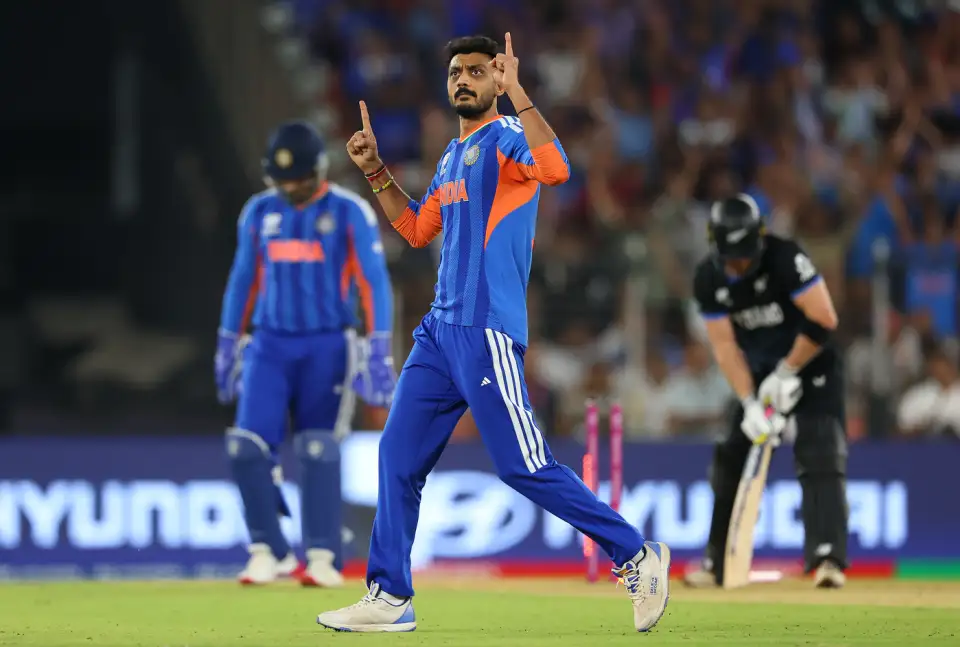
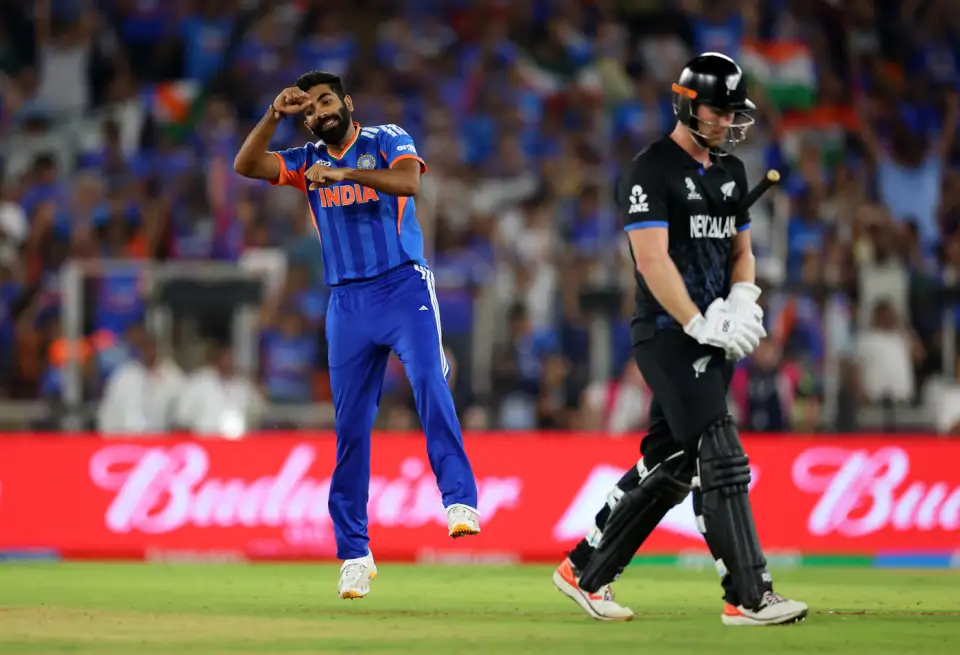
Tim Seifert (52) and Mitchell Santner (43) refused to simply surrender, stitching together resistance that at least gave the scoreline some respectability. But Jasprit Bumrah, operating with the kind of precision that makes him unmatchable in knockout cricket, finished with 4 for 15. Axar Patel complemented him with 3 for 27. New Zealand were bowled out for 159 in 19 overs.
India won by 96 runs. The biggest winning margin in the history of T20 World Cup finals.
Three Records, Three Firsts, One Night
Step back and let the numbers breathe. India are the first team to successfully defend a T20 World Cup title. The first to win it on home soil. And the first — across any format of global T20 cricket’s history — to lift the trophy three times.
Here’s the detail that rarely gets mentioned in the celebrations: India’s previous two T20 World Cup wins (2007, 2024) came overseas, under different pressures, with different squads, in different eras. Winning here — in Ahmedabad, at this ground, in front of this crowd — carries a weight that statistics cannot fully capture. This stadium had become a complicated place for Indian cricket. Now it isn’t.
The 2023 ODI World Cup final defeat at this venue haunted Indian cricket for over a year. The Super 8 loss to South Africa a month ago reopened that wound. Sunday didn’t just close it. It torched it.
India didn’t just win a cricket match. They completed something. Three T20 World Cup titles, a home final, a record-shattering total, and a stadium finally redeemed. The next question writes itself: can any side in the world stop this team?