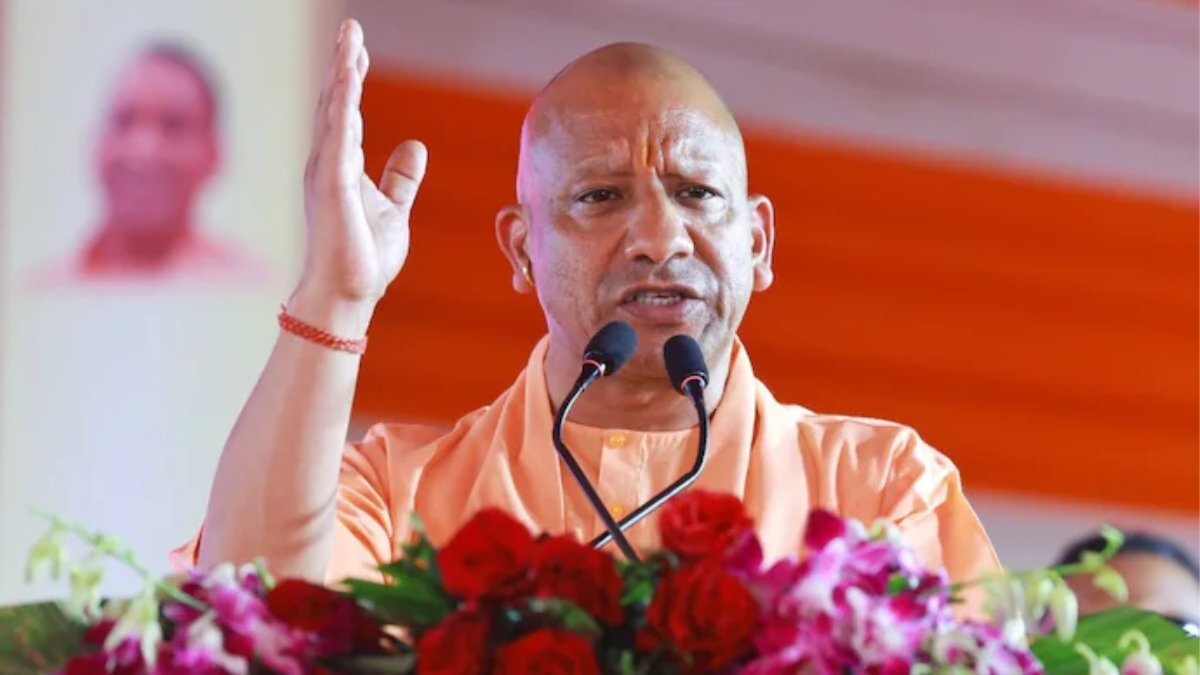
Uttar Pradesh Chief Minister Yogi Adityanath has sparked a fresh debate about cinema’s influence on society, warning that films portraying criminals as heroes have “spoiled generations.” Speaking at a cultural event in Varanasi, the chief minister urged filmmakers to create stories that inspire young audiences rather than glorify dacoits or villains as role models.
Yogi Adityanath Warns Against Glorifying Criminals in Films
Addressing a theatrical cultural programme based on the life of Emperor Vikramaditya in Varanasi, Yogi Adityanath said cinema has the power to shape social values and influence how younger generations understand right and wrong.
“There was a time when noble characters were portrayed as villains, and villains were projected as heroes through films,” he said. According to the chief minister, such portrayals gradually weakened society’s resistance to injustice and exploitation.
He argued that when films repeatedly glorify criminals, audiences—especially young viewers—can begin to see those characters as aspirational figures.
One warning stood out.
“Never portray a dacoit as a hero.”
The chief minister urged directors and producers to create stories that inspire courage, ethics, and social responsibility instead.
Cinema’s Cultural Influence, According to the UP Chief Minister
During his speech, the chief minister stressed that cinema historically played a constructive role in shaping Indian society when it reflected the country’s moral ideals.
“What is presented to the current generation will shape them in the same manner,” he said, adding that filmmakers should remain conscious of the impact their stories may have on audiences.
The event was also attended by Madhya Pradesh Chief Minister Mohan Yadav.
Adityanath’s comments arrive at a time when debates about cultural representation, storytelling freedom, and the social influence of films are becoming more frequent across India’s entertainment landscape.
The Long Tradition of Anti-Heroes in Indian Cinema
Despite the criticism, the portrayal of morally complex characters is not new to Indian cinema.
Several notable films have explored the lives of bandits and outlaws through nuanced storytelling. Movies such as Bandit Queen, Paan Singh Tomar, and Sonchiriya depicted characters shaped by social injustice, poverty, or personal tragedy rather than presenting them as straightforward villains.
Earlier films like Mera Gaon Mera Desh also introduced audiences to the dramatic tension between heroic figures and ruthless bandits in rural India.
Filmmakers often argue that portraying criminals or anti-heroes does not automatically amount to glorifying them. Instead, such stories aim to explore the social conditions and moral dilemmas that produce these characters.
It’s a subtle distinction. But an important one.
The Global Debate Around Anti-Hero Storytelling
The debate is not limited to India. Across global entertainment, morally ambiguous protagonists have become increasingly popular.
One of the most cited examples is the crime drama Breaking Bad, created by Vince Gilligan. The series follows Walter White, a chemistry teacher who gradually transforms into a ruthless drug kingpin.
Interestingly, Gilligan himself acknowledged the complicated cultural impact of such characters. While accepting a Writers Guild honour last year, he said he would prefer to be celebrated for creating characters who inspire people rather than anti-heroes.
His remark reflected a wider cultural concern: audiences often admire complex villains even when the narrative ultimately condemns them.
And that tension—between storytelling complexity and moral responsibility—remains at the heart of the conversation.
Why the Debate Around Cinema’s Influence Keeps Returning
From gangster dramas to crime sagas, anti-heroes have long fascinated audiences. They are flawed, unpredictable, and sometimes disturbingly relatable.
But that same complexity is what keeps sparking debate.
When political leaders, filmmakers, and viewers talk about cinema’s influence, they are essentially asking the same question: Should stories only reflect reality—or also guide society?
For now, the answer remains contested.
Yogi Adityanath’s remarks have revived a familiar debate about cinema’s social responsibility. As filmmakers continue exploring morally complex characters, the conversation about where storytelling ends and influence begins is unlikely to fade anytime soon