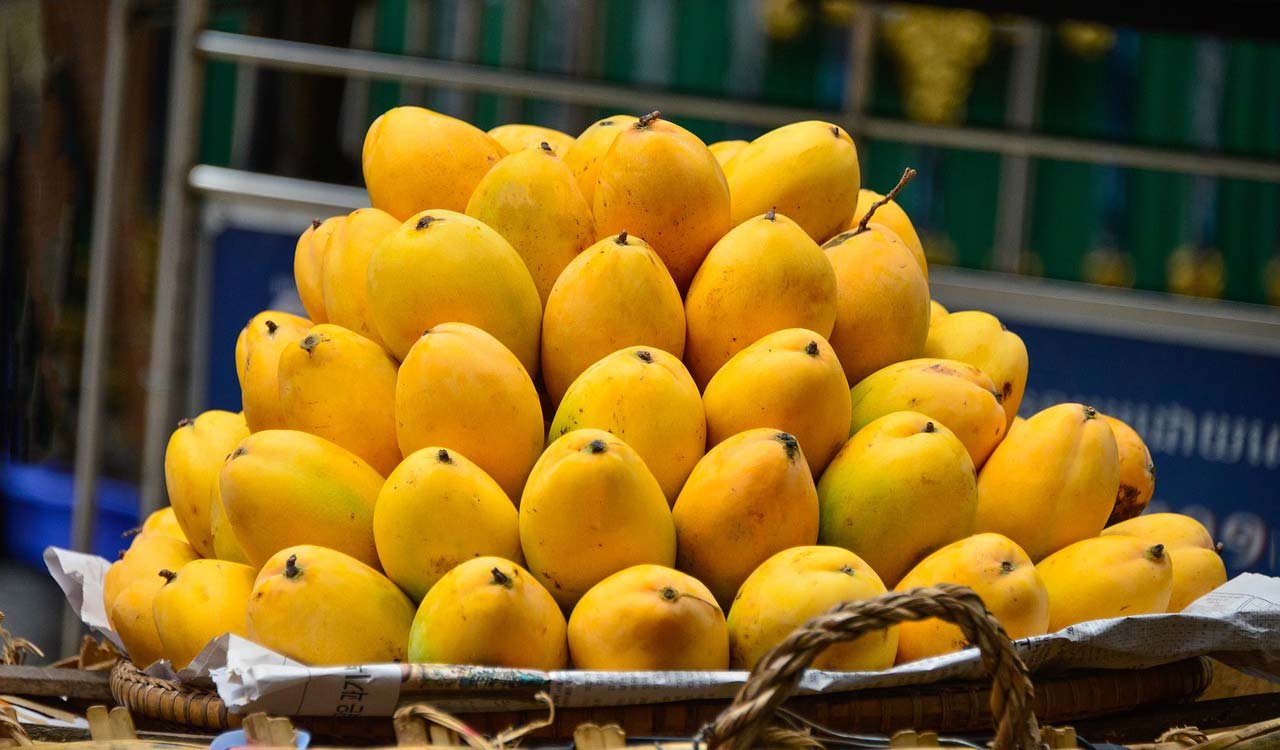
Mango season is finally here, and markets across India are full of juicy, tempting fruits. But before you grab those bright, shiny mangoes, there’s a serious warning you should know.
Authorities have raised concerns that many mangoes being sold as “organic” are actually being ripened using harmful chemicals. These fruits may look perfect from the outside, but they can pose real health risks.
Highlighting the issue, Hyderabad Police Commissioner V C Sajjanar cautioned people on social media. He revealed that some traders, in an attempt to make quick profits, are using unsafe methods to ripen mangoes instead of letting them mature naturally.
One of the biggest concerns is the use of calcium carbide, a chemical that helps fruits ripen faster but is extremely harmful to health. So, choosing mangoes just based on their bright yellow colour or smooth appearance can actually be risky.
Here are some simple ways to identify artificially ripened mangoes:
Look at the colour:
Naturally ripened mangoes are never perfectly uniform in colour. They usually have a mix of green, yellow, and sometimes even red shades. If a mango looks too evenly golden or bright yellow, it could be artificially ripened.
Don’t trust perfection:
Mangoes that look flawless and too shiny are often treated with chemicals. Natural fruits usually have slight imperfections.
Check the inside:
Sometimes, chemically ripened mangoes appear ripe outside but are still raw or hard from the inside.
Smell carefully:
A natural mango has a sweet, fruity aroma. If you notice a strange or chemical-like smell, avoid buying it.
Observe the skin:
Look for unusual spots, patches, or marks on the peel. These can be signs of chemical treatment.
Try the baking soda test:
Washing mangoes in baking soda water and noticing unusual colour changes can indicate the presence of chemicals.
Taste matters:
If the mango tastes odd or slightly bitter, it’s a clear sign that something is wrong.
Health experts warn that eating such chemically ripened mangoes can lead to immediate problems like throat irritation, nausea, vomiting, and diarrhoea. The risks don’t stop there. Long-term consumption may even affect the nervous system and cause respiratory issues.
So, while enjoying your favourite summer fruit, it’s important to stay alert. Don’t fall for looks alone, choose wisely and keep your health safe.