In a quiet corner of Kolkata, where the aroma of soy sauce fills the air and red lanterns hang above narrow lanes, stands a temple unlike any other in India. Located in Tangra, popularly known as the city’s Chinatown, the Chinese Kali Temple is a beautiful example of how cultures can come together in the most unexpected ways.
Kolkata is often called the cultural capital of India, and this temple proves why. Here, Goddess Kali is worshipped with full devotion, just like in any traditional Hindu temple. Idols of Goddess Kali and Lord Shiva are installed, and daily pujas are performed with complete ritual and respect. But what truly surprises visitors is the prasad.
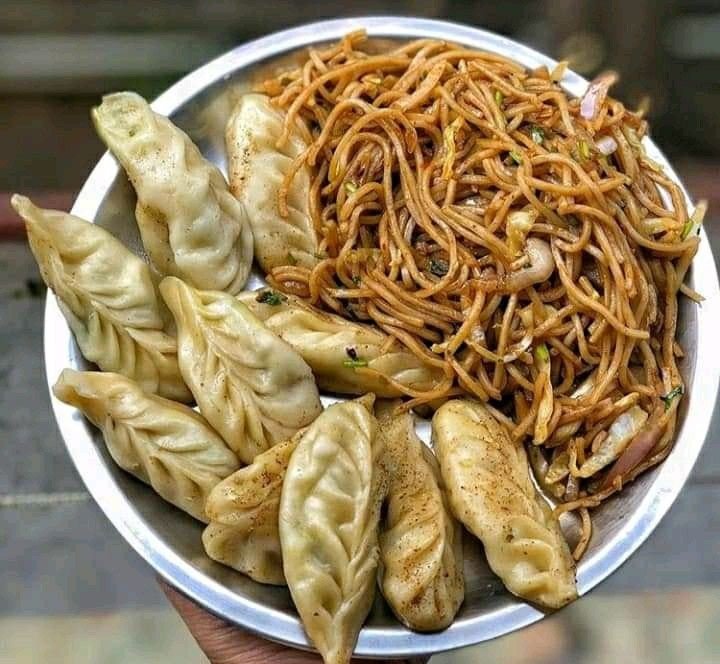
Instead of the usual sweets, fruits or traditional offerings, devotees here receive plates of noodles, momos and sometimes even pizza as sacred food. For many first-time visitors, it is both shocking and fascinating. Yet for the local community, it is a natural expression of faith.
The temple was established decades ago by members of Kolkata’s Chinese community. Many of them had settled in Tangra and were involved in the leather tanning business. Over the years, they became deeply connected with Bengali culture and developed strong devotion to Goddess Kali, one of the most revered deities in the region.
Rather than giving up their own traditions, they chose to blend them with local customs. Offering noodles and other Chinese dishes as prasad was their way of showing gratitude using the food they grew up with. It was not meant to be unusual or attention-seeking. It was simply their heartfelt way of praying.
After the rituals are completed, devotees receive the food as blessings. The experience feels both spiritual and symbolic, showing that faith does not have to follow one rigid format. It can adapt, evolve and still remain meaningful.
The Chinese Kali Temple represents the true spirit of Kolkata, a city where different communities live side by side and celebrate each other’s traditions. It is not just a place of worship but a reminder that devotion can cross cultural boundaries.
For travellers, a visit to this temple offers more than sightseeing. It offers a story of harmony, acceptance and shared faith, served, quite literally, on a plate of noodles.