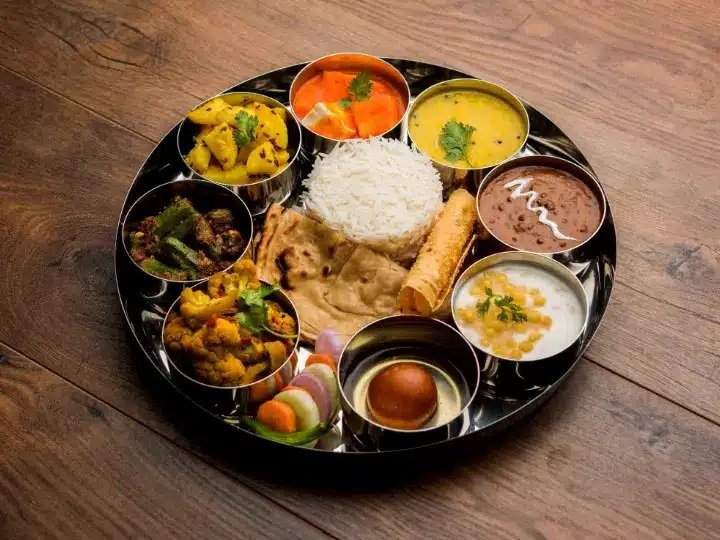
In many Indian homes, meals are still comforting and familiar—fresh rotis, steaming rice, a ladle of dal. But behind this everyday simplicity lies a deeper shift in the country’s eating patterns, one that health experts say deserves urgent attention. A new study reveals that nearly half of all protein in Indian diets now comes from grains alone, leaving little room for more nourishing sources.
According to research by the Council on Energy, Environment and Water, Indians do meet the basic daily protein requirement on paper, averaging around 56 grams a day. Yet much of this protein comes from rice, wheat, and refined grains, which offer lower-quality amino acids and are harder for the body to use effectively. This share is far higher than what nutrition authorities recommend. Meanwhile, foods rich in essential nutrients—pulses, dairy, eggs, fish, and meat—are slowly fading from everyday meals.
The study also paints a worrying picture of low fruit, vegetable, and pulse consumption, while oils and sugars have become more common on the plate. The divide between rich and poor households is striking. Families at the bottom of the income ladder manage only a few glasses of milk and a couple of bananas in a week, while those at the top consume several times more. These differences reflect not just preferences but unequal access to a balanced diet.
Protein intake has grown only slightly over the past decade, and the averages hide the harsh truth that wealthier households enjoy far better access to animal and dairy proteins. Pulses, once a staple source of nutrition, now contribute barely a fraction of the recommended amount. Even traditionally resilient grains like millets are being eaten far less than before.
Together, these trends signal a quiet nutritional crisis—one shaped by affordability, accessibility, and changing habits. Experts warn that improving dietary diversity is no longer just a health concern but a national priority.