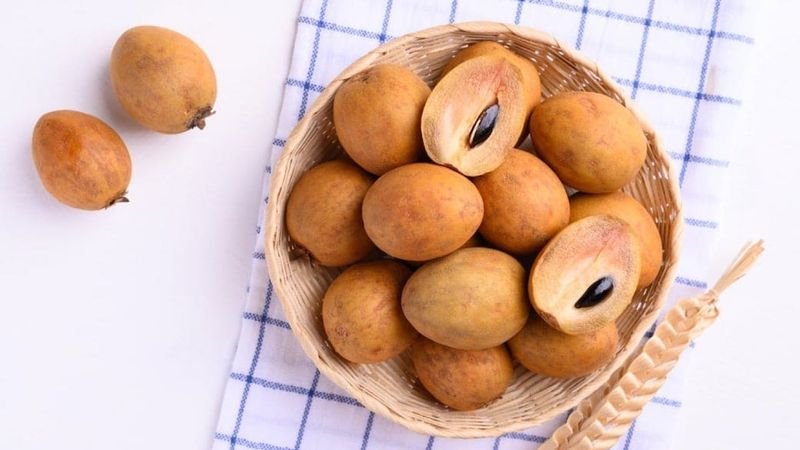
Fruits are often seen as the healthiest addition to any meal, but for people living with diabetes, choosing the right fruit can be tricky. One fruit that frequently raises questions is chickoo, also known as sapota. Loved for its creamy texture and intense sweetness, chickoo is commonly enjoyed across India, yet many wonder whether it can safely fit into a diabetes-friendly diet or if it causes sudden blood sugar spikes.
Despite its modest brown exterior, chickoo is packed with nutrients. Medical experts explain that sapota contains a wide range of vitamins including A, B, C, and E, along with important minerals such as calcium, magnesium, potassium, and manganese. It is also rich in fibre and antioxidants, which support overall health. Studies published in international scientific journals suggest that the fruit helps strengthen bones, supports eye health, improves lung function, and aids digestion.
From an Ayurvedic perspective, chickoo is considered beneficial for general well-being. Medical experts highlight that it supports heart health and is especially helpful in managing digestive problems. Regular but limited consumption can help ease constipation, bloating, and diarrhoea. Its natural anti-inflammatory properties may reduce swelling in the body, while its cooling effect helps lower excess body heat. Experts also note that sapota plays a role in boosting immunity and supporting healthy blood pressure levels.
Chickoo is naturally high in fructose and sucrose, which makes it an instant energy source. This is why it is often recommended for people who feel fatigued or those who engage in physical workouts. The vitamin E and antioxidants in the fruit are known to support skin health by reducing signs of ageing. Medical experts also suggest that chickoo may help relieve nausea and dizziness in pregnant women, making it beneficial during pregnancy when consumed in moderation.
However, the picture changes when diabetes enters the conversation. While chickoo offers several health benefits, it also contains a high amount of natural sugar and has a high glycaemic load. This means it can cause a rapid increase in blood glucose levels. Medical experts caution that people with poorly controlled diabetes should avoid chickoo altogether. For those with stable blood sugar levels, very small portions may be considered, but only after consulting a healthcare professional.
Certain individuals are advised to stay away from chickoo completely. People with diabetes or fluctuating blood sugar levels may find that the fruit interferes with glucose control. Additionally, sapota contains natural latex and tannins, which can trigger allergic reactions in some individuals. Anyone eating chickoo for the first time should therefore be cautious. The fruit is also not ideal for those trying to lose weight, as it is calorie-dense and high in sugar, increasing the risk of weight gain.
For people managing diabetes or focusing on weight loss, medical experts recommend choosing lower-sugar fruits such as guava, apples, or berries instead. While chickoo may be nutritious, understanding your health condition and eating it wisely makes all the difference.