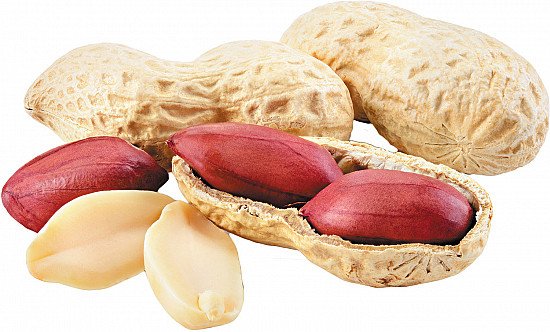
As winter sets in and cold evenings call for warm, comforting snacks, roasted peanuts naturally find their way into many homes. They are affordable, filling, and easy to enjoy, which is why their popularity peaks during the colder months. Yet, while eating them, most people instinctively peel off the thin red skin and toss it aside without a second thought.
This habit comes from a common belief that the red skin makes peanuts hard to digest and causes stomach discomfort. Many assume that removing it makes the snack lighter and healthier. However, health experts suggest that this small step might actually mean missing out on several important benefits.
According to specialists, the red skin of peanuts is packed with nutrients that support overall health. It contains fibre, antioxidants, and essential vitamins that help the body function better. Though often mistaken as waste, this skin plays a role in protecting the body from internal damage and boosting immunity.
Traditional health practitioners also encourage eating peanuts with their skin intact. The natural compounds present in the skin help fight harmful elements in the body, slow down signs of ageing, and support the immune system. At the same time, the fibre helps improve digestion and promotes regular bowel movement, making it especially useful during winter when digestive issues are common.
That said, moderation remains important. Eating too many peanuts with their skin can cause gas or bloating in some people. When consumed in reasonable quantities, they are unlikely to cause problems. Another benefit is their slow impact on blood sugar levels, which makes them a safer snack choice for people managing diabetes.
Experts recommend roasting or lightly soaking peanuts with the skin on, as this makes them easier to digest. For most people, there is no real need to remove the red skin. Sometimes, the healthiest part of food is the one we are quickest to throw away.