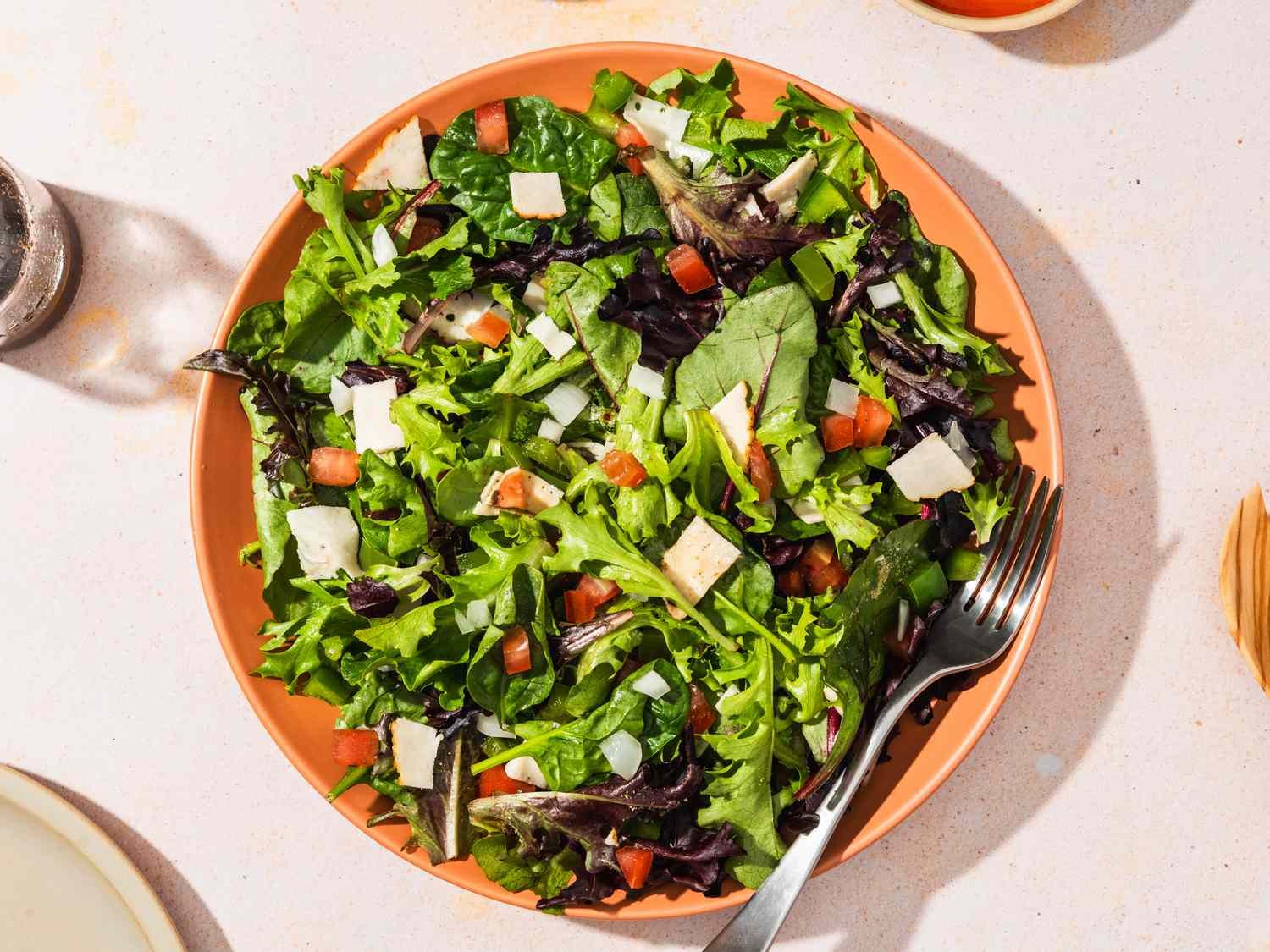
For many people, ordering a salad feels like making the “right” choice. It gives a sense of control, discipline and clean eating. Whether someone is trying to shed a few kilos or simply eat better, a salad often becomes the automatic option. But what if that bowl of greens isn’t as innocent as it looks?
According to dieticians, the word “salad” doesn’t automatically mean balanced or nutritious. While leafy greens themselves are light and full of fibre, the real story lies in what gets added on top. Experts explain that creamy dressings, sweetened nuts, fried toppings, processed meats and generous amounts of cheese can quietly turn a simple bowl into a high-calorie meal. Just a small amount of certain dressings can add hundreds of calories, mostly from refined oils and hidden sugars. Add olives, pickles and packaged toppings, and sodium levels can climb quickly too.
Another concern experts raise is the belief that a salad alone is enough for a complete meal. Our bodies need a mix of carbohydrates, protein, healthy fats, vitamins and minerals to function well. Relying too heavily on just one type of food can leave important nutritional gaps. A bowl filled mostly with raw vegetables may look impressive, but without enough protein and energy, it may not truly satisfy the body’s needs.
Portion size also plays tricks on the mind. Because salads are seen as “light,” people often pile on extra toppings without thinking twice. Seeds, cheese, sauces and crunchy additions can easily push the calorie count as high as a burger and fries. The difference is that we rarely associate salads with overeating, so we don’t notice when we cross the line.
Protein is another missing piece in many salad bowls. Experts warn that when protein intake is too low, blood sugar levels can rise and fall quickly, especially if the salad includes sweetened dried fruits or high-sugar ingredients. Over time, repeated spikes in blood sugar may increase the risk of metabolic problems such as Type 2 diabetes.
There’s also the question of digestion. Raw vegetables are often considered the healthiest option, but they don’t suit everyone. Dieticians explain that some raw foods contain fermentable fibres that can cause gas, bloating and discomfort in sensitive individuals. Suddenly increasing fibre intake can overwhelm the gut, especially for those prone to digestive issues. Experts recommend increasing fibre gradually so the body can adjust comfortably.
Eating only salads for long periods can create another problem — undernourishment. Without enough calories and protein, the body may begin to lose muscle mass, energy levels may drop, immunity can weaken and fatigue may set in. Healthy eating should support strength and vitality, not leave someone feeling drained.
Even practical factors matter. Experts advise washing leafy greens thoroughly and being mindful of how produce is sourced to reduce exposure to pesticide residues.
So what does a truly healthy salad look like? Dieticians suggest starting with a base of colourful vegetables, adding a good source of protein such as legumes, eggs or grilled lean meat, including small portions of healthy fats like nuts or olive oil, and keeping heavy dressings and processed toppings to a minimum. Balance is what transforms a salad from a trendy choice into a nourishing meal.
At the end of the day, no food is automatically healthy just because of its label. A salad can either support your health goals or quietly work against them. The difference lies in how thoughtfully that bowl is built.