Walk through the narrow lanes of Varanasi and you’ll find more than temples and ghats, you’ll discover flavors that have survived centuries. Among them is a delicate, creamy dessert called Malai Puri, a sweet that has quietly carried forward a rich culinary legacy.
Varanasi, often known as the spiritual capital of India, is home to this centuries-old delicacy. The origins of Malai Puri trace back to the Mughal era, when it was reportedly enjoyed by royalty and noble families. At a time when many modern sweets had not yet evolved, this simple yet luxurious treat was considered special enough for kings.
The name itself tells a story. “Malai” refers to the thick, creamy layer that forms on top of boiled milk, while “puri” reflects the light, delicate form in which it is served. Together, the words create a dessert that feels both rich and airy.
The preparation is slow and careful. Buffalo milk is boiled, and the first layer of cream that forms on top is gently removed. These layers are set aside one by one. Traditionally, this is done over a clay stove fueled by wood fire, which adds a subtle smoky touch to the flavor.
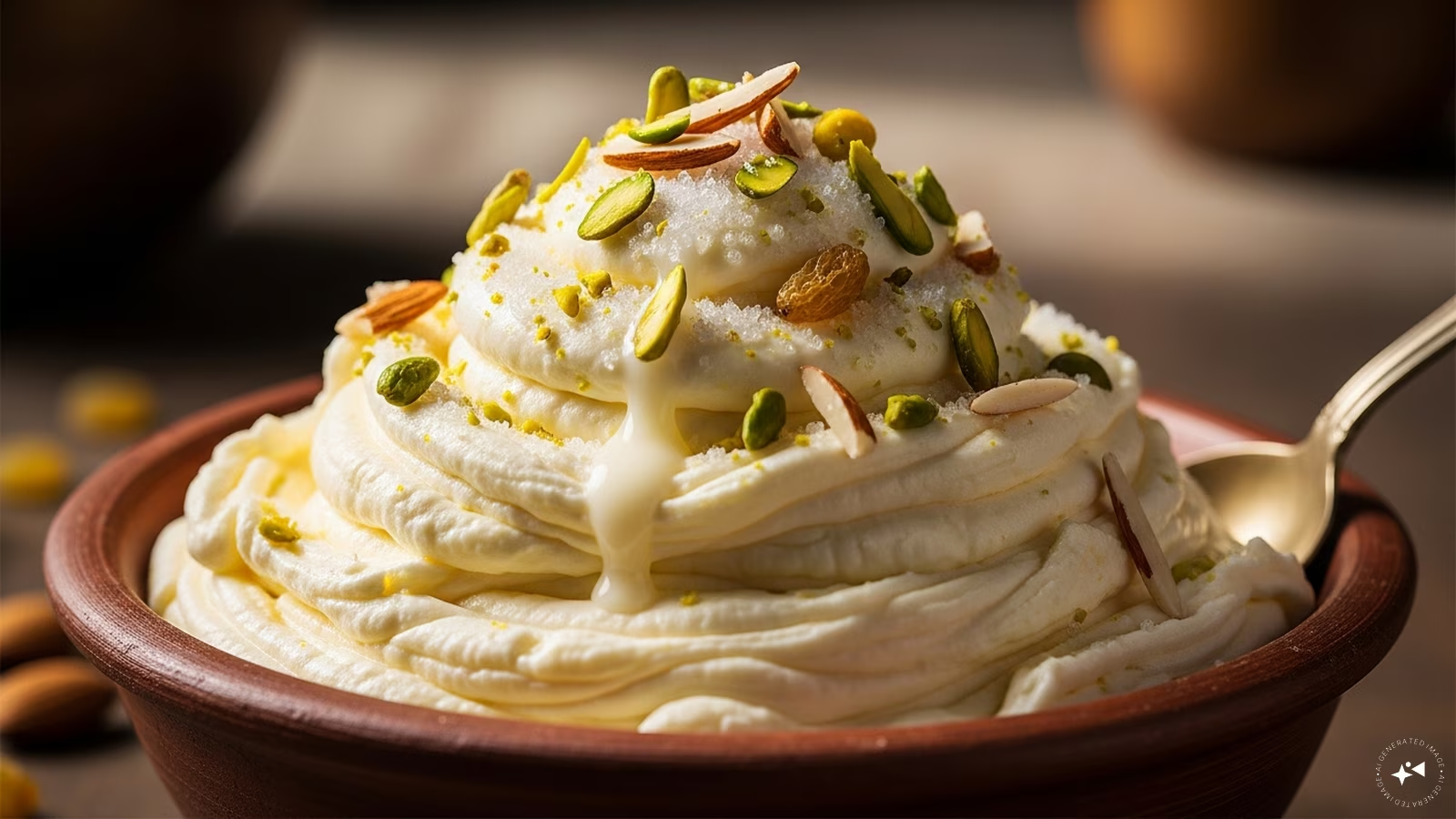
Once enough layers are collected, they are arranged and topped with sugar and dry fruits. The result is soft, mildly sweet, and full of texture. In ancient times, before sweets made from flour, refined sugar, and oil became common, desserts like Malai Puri were served to royal households.
Even today, Malai Puri is more than just a sweet dish, it represents the culture and soul of Varanasi. It is often served in small earthen pots and enjoyed during festivals and special occasions.
If you ever visit Varanasi, tasting Malai Puri isn’t just about satisfying your sweet tooth, it’s about experiencing a piece of living history.