The first bite usually says it all. Spread on warm toast or melted over vegetables, this butter doesn’t just sit there quietly—it announces itself. In recent months, food lovers across social media have been raving about a particular kind of butter that promises more flavour, more depth, and a whole lot more indulgence than the regular blocks found in most kitchens. That butter is French cultured butter, and it’s fast becoming a pantry favourite.
Often described as the butter that makes everything taste better, French cultured butter has a richness that feels almost luxurious. While everyday butter tends to fade into the background, this version brings a gentle tang and a fuller taste that instantly elevates simple cooking. It’s the reason many chefs and home cooks say a plain slice of bread suddenly feels like a treat when paired with it.
The secret lies in how it’s made. French cultured butter begins with fresh cream sourced from grass-fed cows, commonly from regions like Normandy and Brittany. Instead of being churned straight away, the cream is left to ferment with natural cultures for several hours, much like how yoghurt develops its flavour. This slow process gives the butter its signature complexity and subtle sharpness. Once fermented, the cream is gently churned, often using traditional methods, resulting in butter that feels dense, silky, and deeply flavourful. Depending on preference, it can be unsalted, lightly salted, or generously salted.
What truly sets it apart from regular supermarket butter is the experience it delivers. Standard butter is usually made from fresh pasteurised cream without any fermentation, which keeps the flavour mild and clean. French cultured butter, on the other hand, contains more butterfat, making it richer and creamier with less water content. This not only enhances taste but also improves texture, especially for baking. It spreads easily even when cold, melts more slowly, and helps create flakier pastries and softer breads.
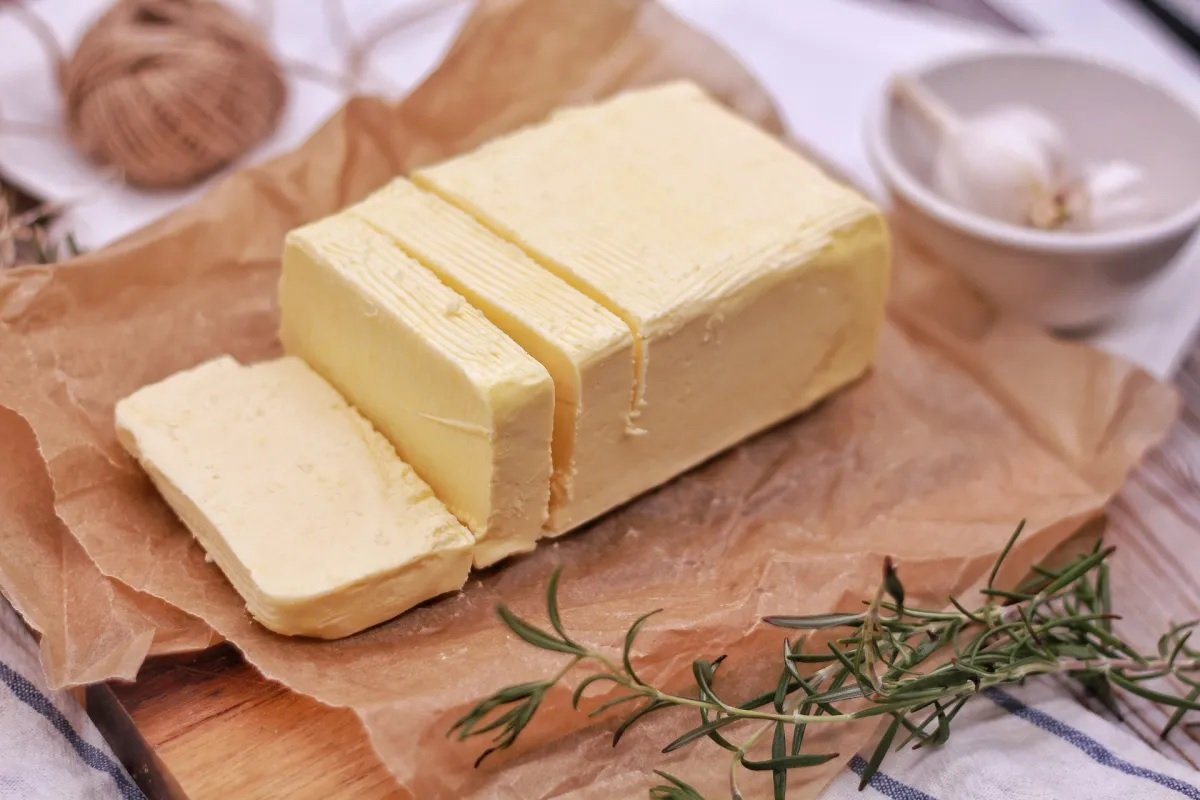
Its appearance also tells a story. Thanks to milk from grass-fed cows, French cultured butter often has a natural golden hue, signalling its depth and quality. All these small details come together to explain why this butter has sparked so much excitement online. It’s not just about trend-driven food talk—it’s about rediscovering how one simple ingredient can transform everyday meals into something special.